Aerodynamic Forces
Learning Byte Summary ▾
Learning Objectives (LOs):
- describe how planes fly
- explain the four forces: lift, weight (gravity), drag, and thrust
Grade level: Middle school
Duration: 10 min
Key ideas:
Lift; Weight (gravity); Drag; Thrust
Introduction to aerodynamic forces
What keeps a plane up in the air?
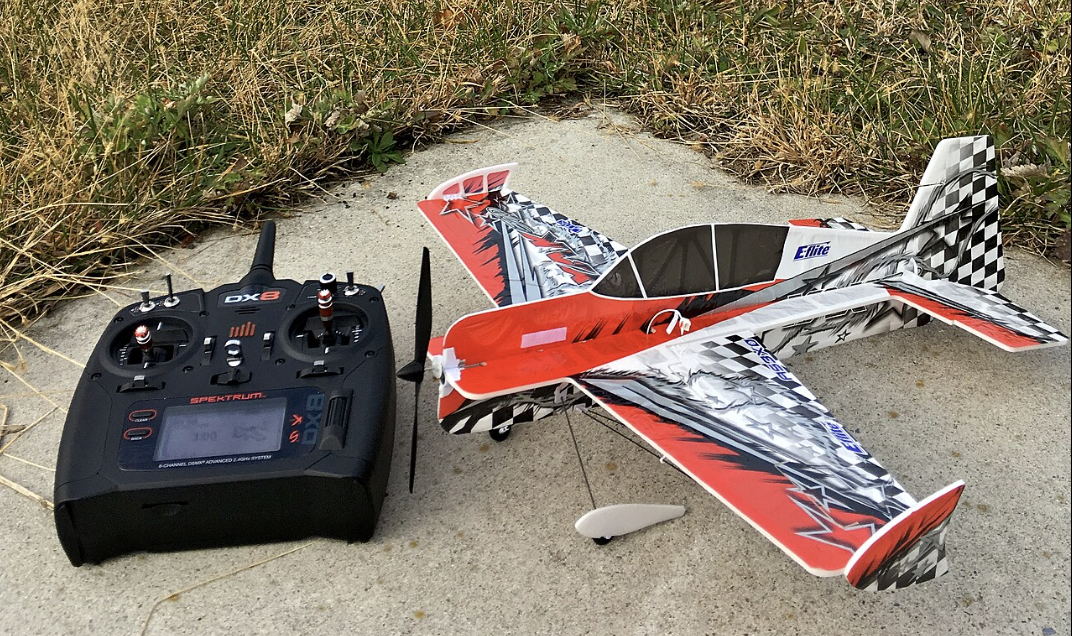
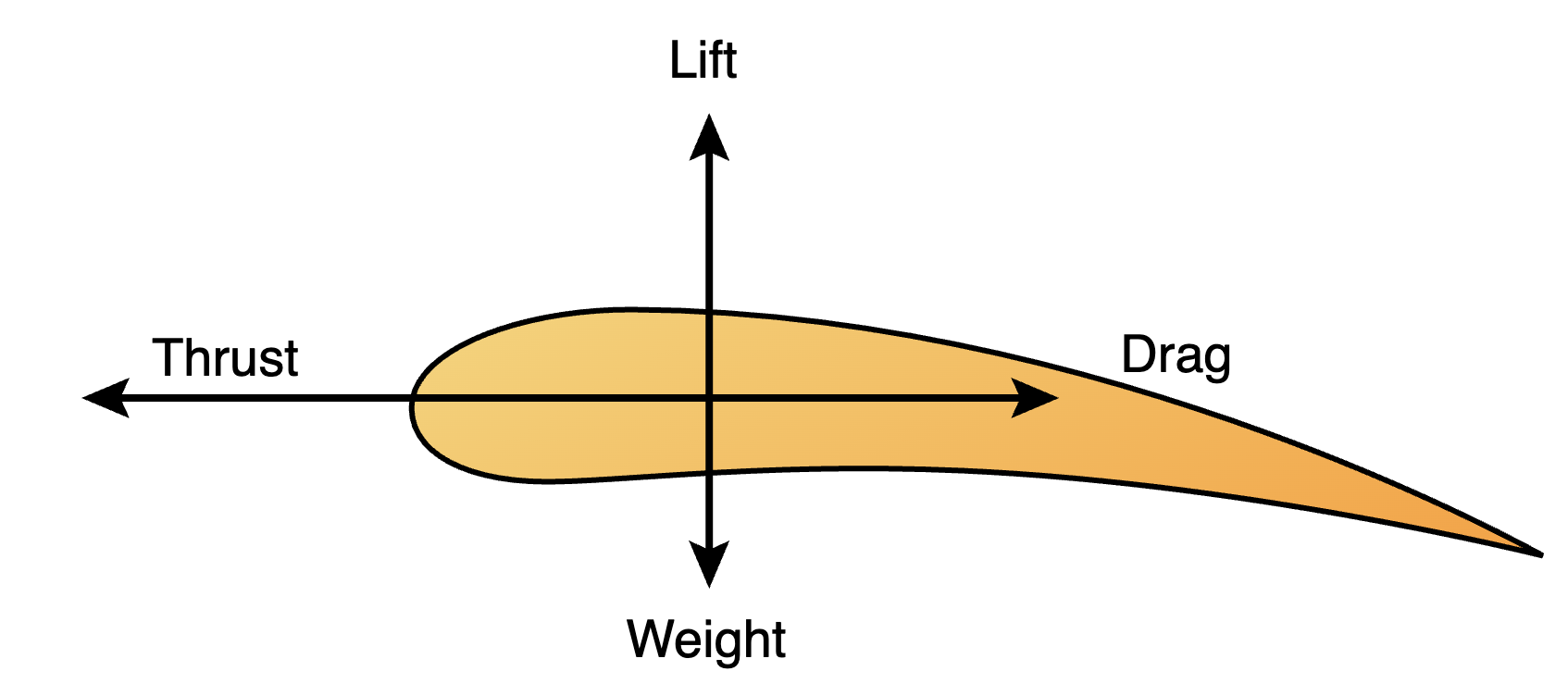
There are four forces that act on a plane in the air. These forces are:
- Lift: the upward force from air that helps an object rise.
- Weight (gravity): the downward pull of Earth.
- Thrust: the forward push from engines, flapping, or a propeller.
-
Drag: the backward force from air resistance.
- Lift, weight, thrust, and drag are known as aerodynamic forces.
- The propeller provides the force (thrust) that moves the plane forward.
- The wing surface is curved. It pushes the air downward. This creates the lift force that makes the plane rise.
- Gravity (weight) is constantly pulling the plane downward.
- As a plane moves through the air, it experiences air resistance (drag), which tries to slow it down.
- When lift is greater than weight, the plane goes up!
- When thrust is greater than drag, it moves forward.
Control surfaces of a plane
Have you ever wondered how a plane is able to move in the air? It has three main control surfaces that allow it to change its motion: ailerons, the rudder, and the elevator.
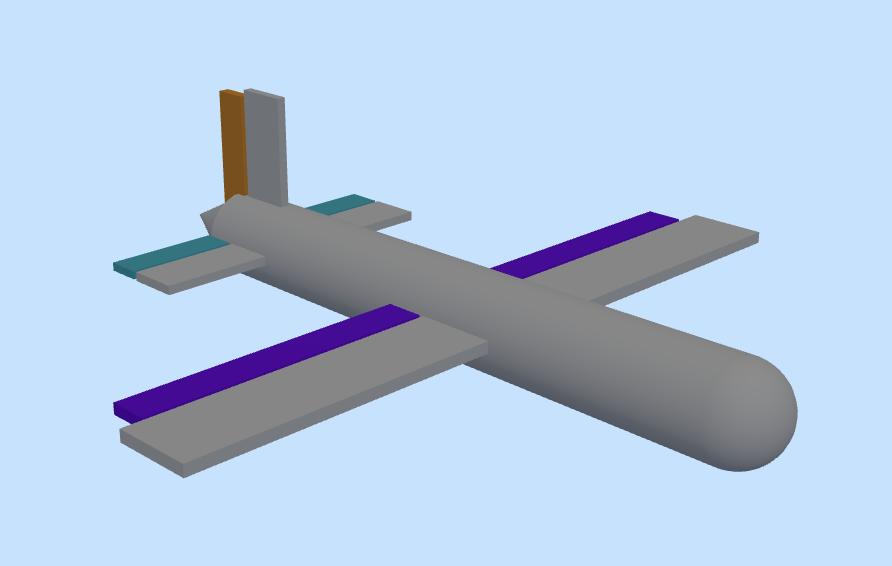
- Planes have three main control surfaces: ailerons for roll, rudder for yaw, and elevator for pitch.
- Roll motion is controlled by ailerons; moving one up causes the plane to roll in the opposite direction.
- Yaw motion is controlled by the rudder; moving it left or right causes the plane to turn in the direction of the rudder.
- Pitch motion is controlled by the elevator; moving it up causes the nose of the plane to go up, and moving it down causes the plane’s nose to dip.
Feedback
Was there any section that was difficult to understand?
What is one new thing you learned?
References
- Missing reference registry entry: .
Media Credits
-
M1Radio-controlled (RC) planeFred Hsu · Wikimedia Commons · 2017 · CC BY-SA 3.0
-
M2The four forces on an aircraftAmada44 · Wikimedia Commons · 2007 · Public Domain
-
M3Domestic pigeon flightDerivative work Tony Wills, rearragned by Toby Hudson · Wikimedia Commons · 2009 · CC BY-SA 3.0
-
M4Plane control surfacesRavi Sinha · Amazing Birds · 2026 · CC BY-NC-SA 4.0
How to Cite:
Sinha, R. (2026).
Aerodynamic Forces.
Amazing Birds.
https://amazing-birds.gitlab.io/
GenAI Assistance:
Some content and materials on this page may have been developed with GenAI assistance; all content was reviewed, edited, and integrated by the author(s).

This page is an open educational resource (OER) licensed under a
Creative Commons Attribution-NonCommercial-ShareAlike 4.0 International License.
Feel free to use, link, or embed this page for non-commercial educational purposes with attribution. Please share any adaptations under the same CC BY-NC-SA 4.0 license.
This page may include third-party images, videos, and other materials that have their own licenses and terms of use. Please verify before reusing these materials.
Feedback: If you notice any accessibility issues, incorrect information, or have suggestions for improvement, please use the
feedback form.