Avian-inspired engineering: Nature as inspiration
Learning Byte Summary ▾
Learning Objectives (LOs): Recognize how engineers take inspiration from birds and nature
Grade level: Middle school
Duration: ~3 min
Key ideas:
Biomimicry; Avian-inspired engineering
Introduction to Avian Engineering
Look at the images below. What do you notice?
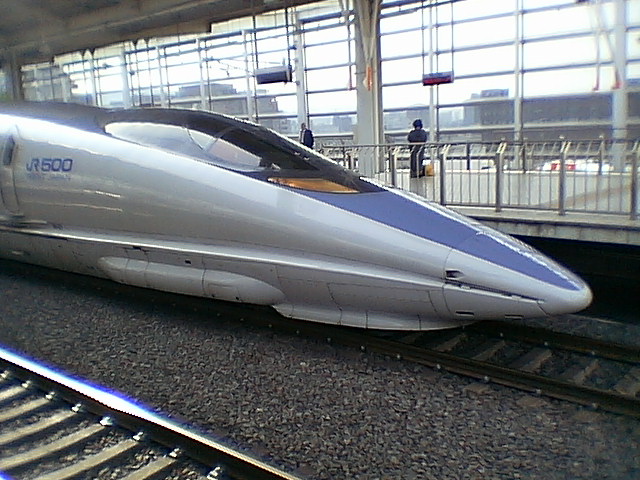
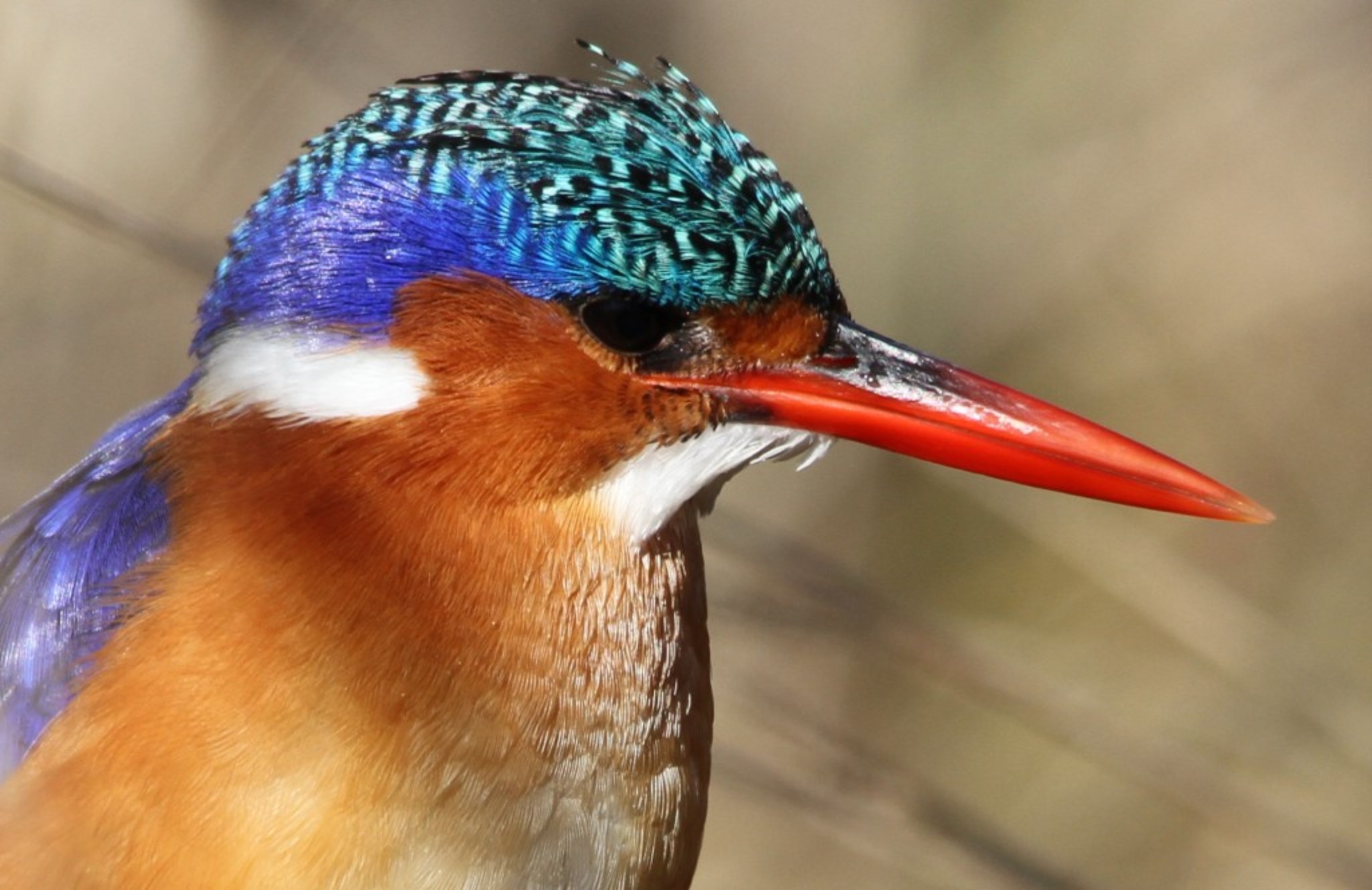
Scientists and engineers often take inspiration from nature to design and imagine new robots that can solve complex problems 1 . There are many examples of robots created by scientists and engineers that are inspired by nature. This field of engineering is called biomimicry or bio-inspired engineering or biomimetics. When engineers and scientists take inspiration from birds to design flying robots, this branch of engineering is called bird-inspired engineering, or avian-inspired engineering.
Do you know the latin for avis is “bird”, hence avian stands for related to or resembling birds.
Reflection
Do you know examples of bird-inspired robots? Why do you think scientists are interested in birds?
References
-
1.BiomimeticsWikipedia contributors · Wikipedia · · CC BY-SA 3.0
Media Credits
-
M1Shinkansen 500 Series inspired by kingfisher beakErcument Gorgul · Wikimedia Commons · 2005 · CC BY 2.5
-
M2Malachite Kingfisher (Alcedo cristata), South AfricaDerek Keats from Johannesburg, South Africa · Wikimedia Commons · 2013 · CC BY 2.0
-
M3Future dronesRavi Sinha · Amazing Birds (original) · 2026 · CC BY-NC-SA 4.0
How to Cite:
Sinha, R. (2026).
Avian-inspired engineering: Nature as inspiration.
Amazing Birds.
https://amazing-birds.gitlab.io/
GenAI Assistance:
Some content and materials on this page may have been developed with GenAI assistance; all content was reviewed, edited, and integrated by the author(s).

This page is an open educational resource (OER) licensed under a
Creative Commons Attribution-NonCommercial-ShareAlike 4.0 International License.
Feel free to use, link, or embed this page for non-commercial educational purposes with attribution. Please share any adaptations under the same CC BY-NC-SA 4.0 license.
This page may include third-party images, videos, and other materials that have their own licenses and terms of use. Please verify before reusing these materials.
Feedback: If you notice any accessibility issues, incorrect information, or have suggestions for improvement, please use the
feedback form.