Learning Byte Summary
Learning Objectives (LOs): describe the design challenge steps and pick a bird movement to prototype
Grade level: Middle school
Duration: ~10 min
Key ideas: Design challenge steps; Observing bird motion; Choosing a target movement

We learnt that engineering scientists are interested in learning about birds so that they can learn from them and design drones or robotic birds that can be used for various applications.

What are the areas do you think bird-like drones will be more useful than the drones we have now?

How do birds fly?

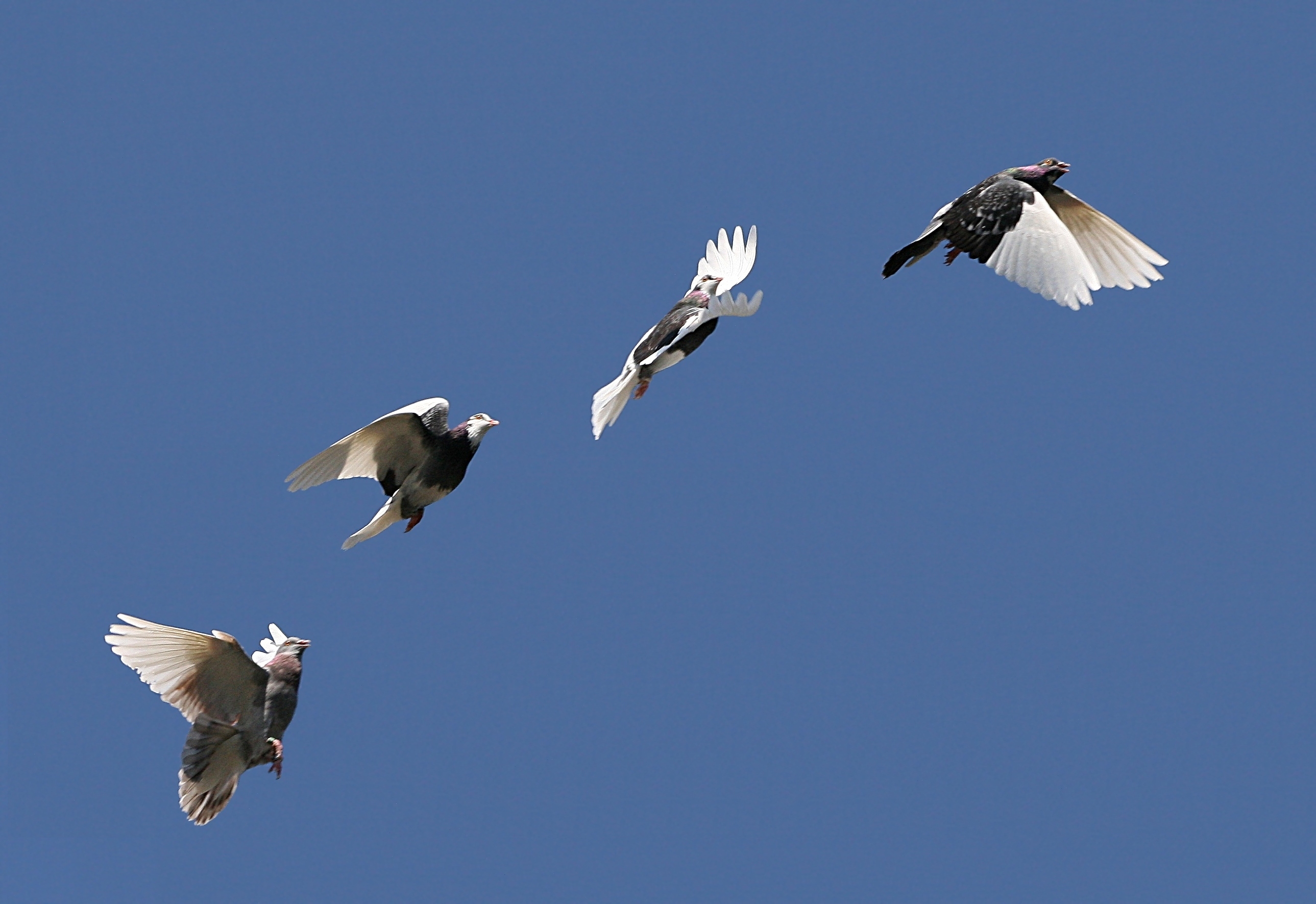
Let’s observe the video and image of birds below. How do you think birds fly?
Observe closely how they are flapping their wings.

Video: "Flyingswallow" by Zachzr (CC BY-SA 4.0), via Wikimedia Commons

Domestic pigeon flight

Image: "Domestic pigeon flight" by Toby Hudson; derivative work by Tony Wills (CC BY-SA 3.0), via Wikimedia Commons

Design Challenge

Now, let’s wear the hats of engineering scientists for a day!

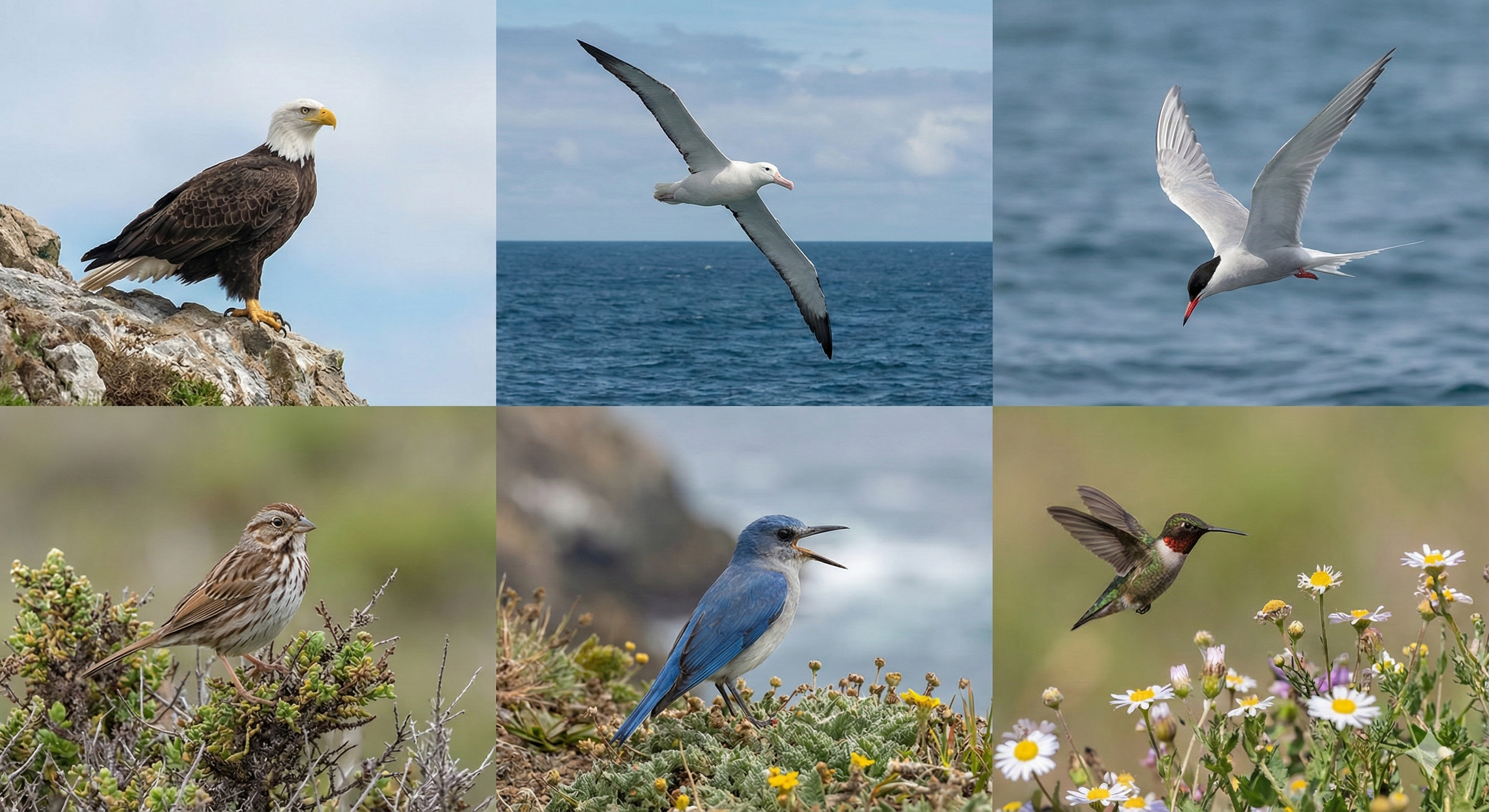
Pick a bird of your choice!

Pick a bird of your choice!

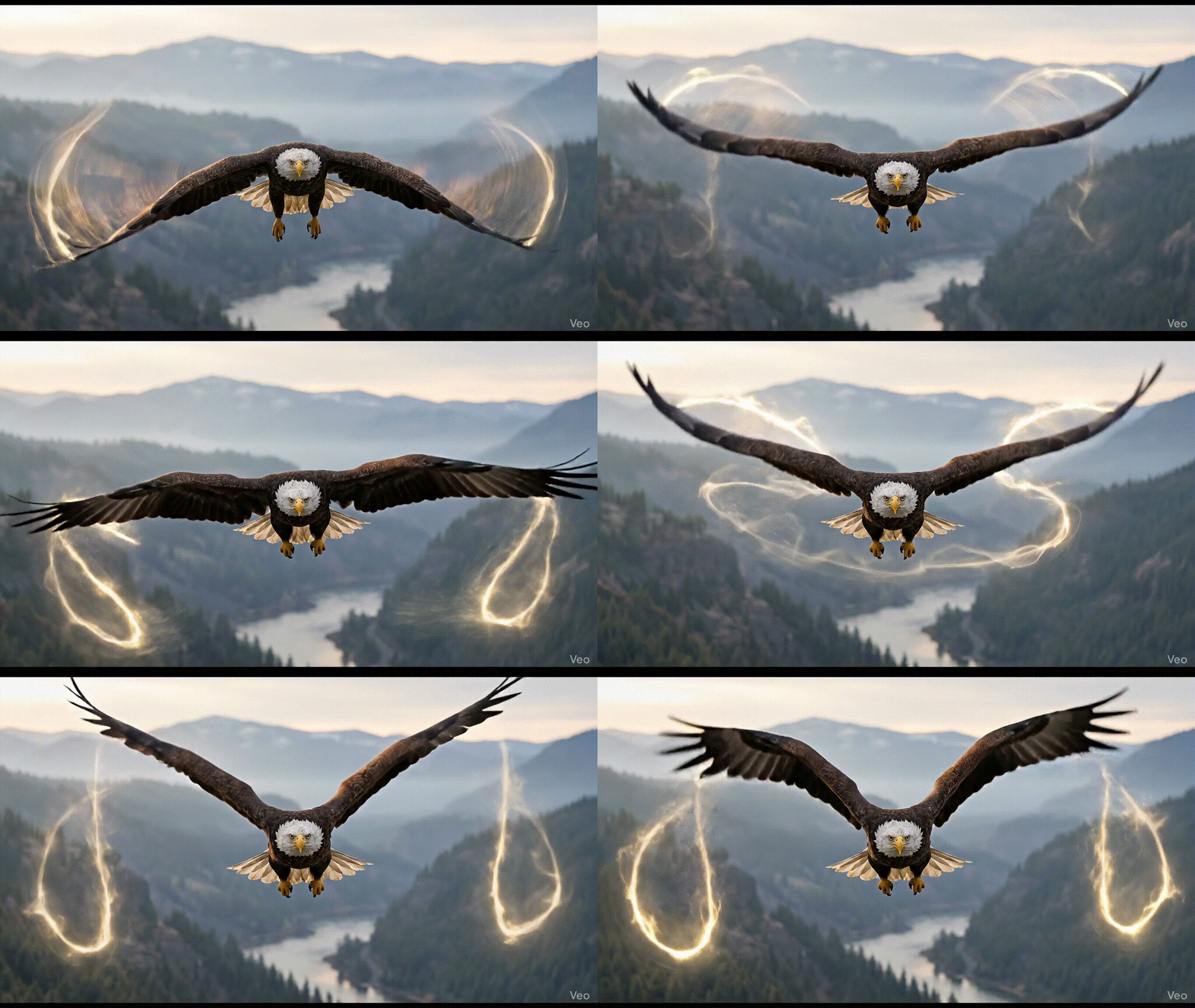
Observe how it flaps its wings!

Observe how it flaps its wings!

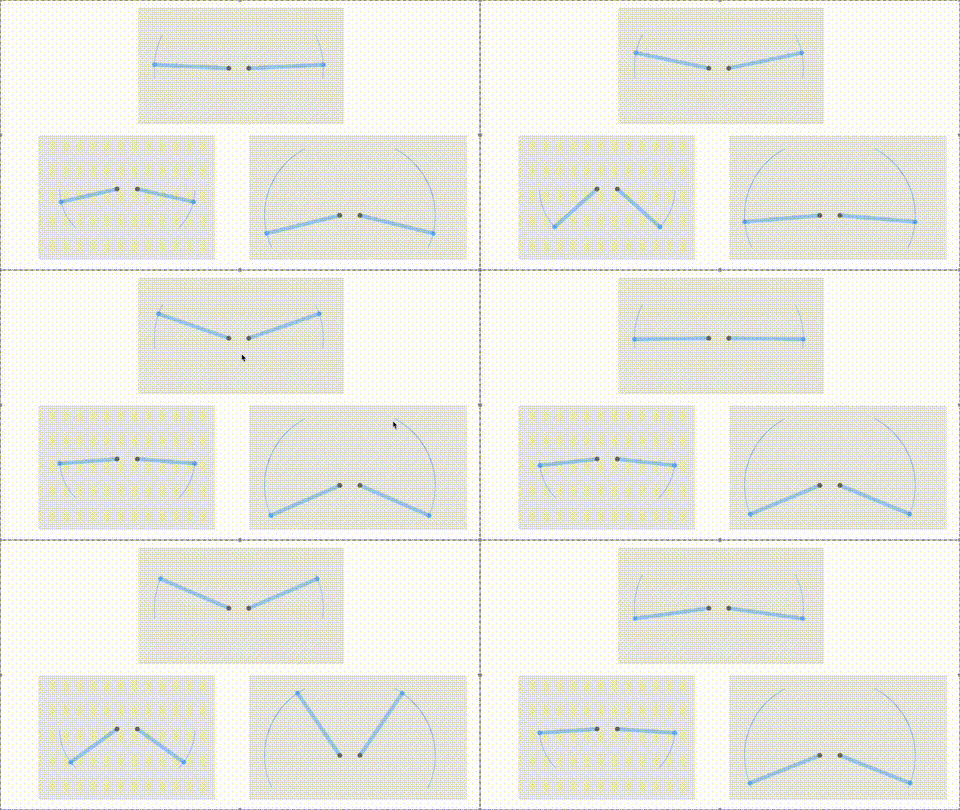
Decide your target movement to copy

Decide your target movement to copy!

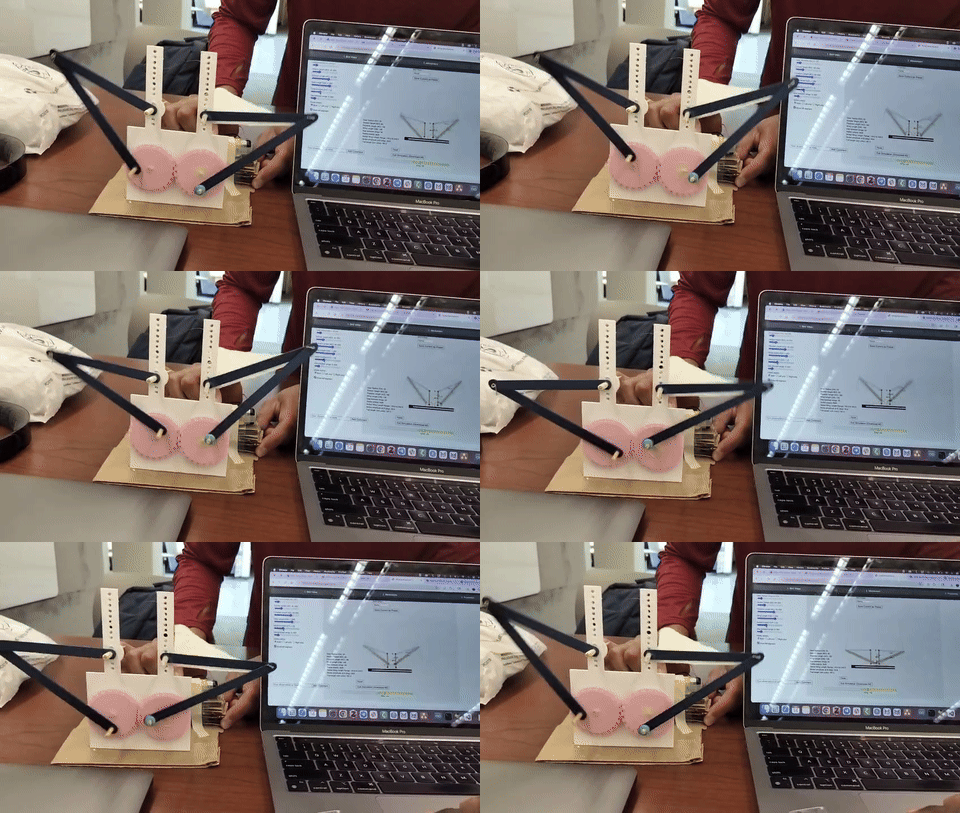
Design a robotic prototype that copies your chosen bird’s wing movement!

Design a robotic prototype that copies your chosen bird’s wing movement!

Brainstorm and sketch your ideas: What are the different ways you could make your robot flap its wings?

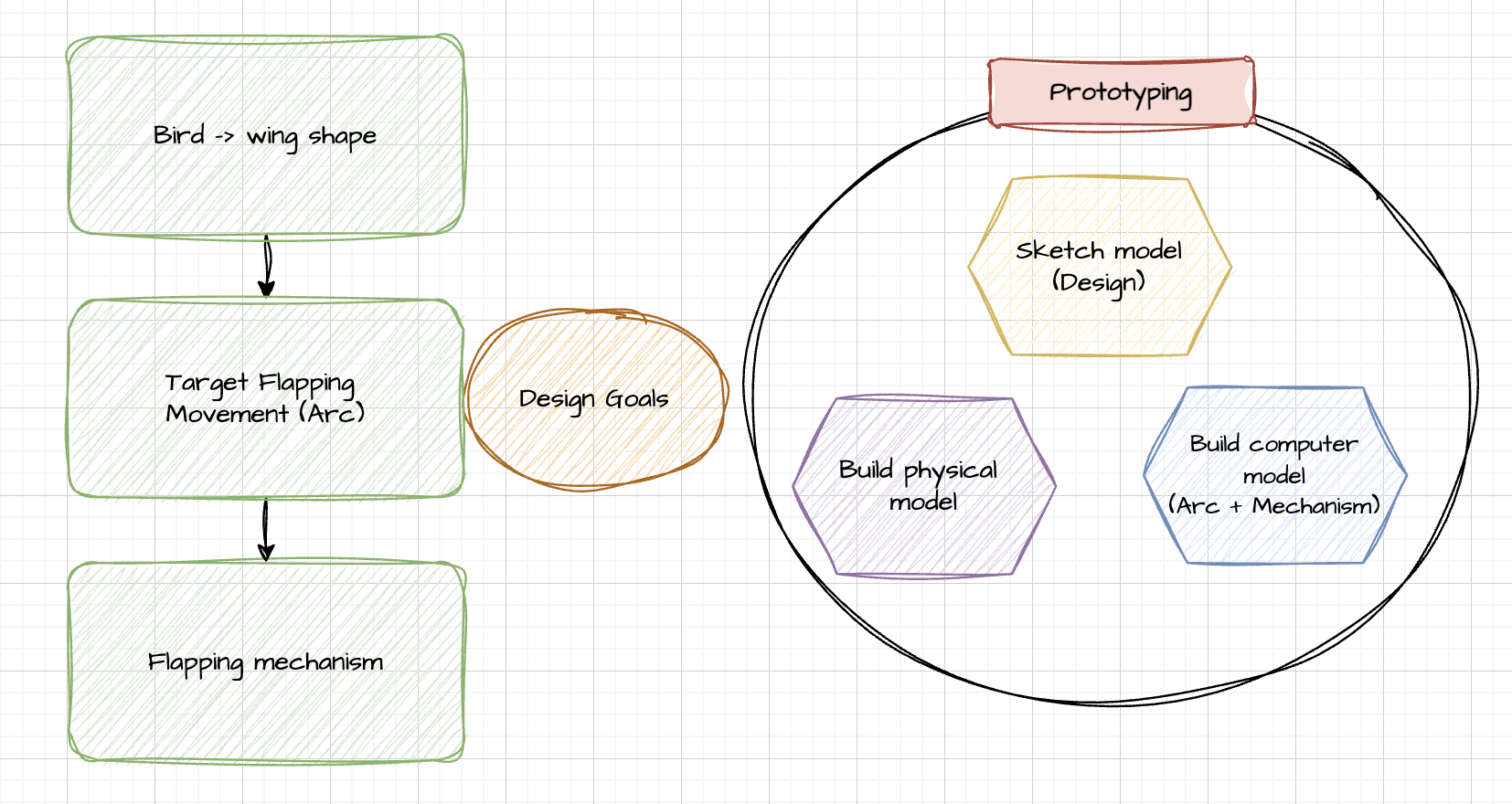
Overview of our design process!

Alt text

Reflection
In your own words, what is the main idea of Design Challenge?
Reflection
Summarize what you have learned today.
Reflection
What did you find most surprising or intriguing in this learning byte?
Understanding Check
How well do you understand: describe the design challenge steps and pick a bird movement to prototype?
1 out of 5
How to Cite: Sinha, R. (2026). Design Challenge. Amazing Birds. https://amazing-birds.gitlab.io/
GenAI Assistance: Some content and materials on this page may have been developed with GenAI assistance; all content was reviewed, edited, and integrated by the author(s).
Creative Commons BY-NC-SA 4.0 license badge
This page is an open educational resource (OER) licensed under a Creative Commons Attribution-NonCommercial-ShareAlike 4.0 International License.
Feel free to use, link, or embed this page for non-commercial educational purposes with attribution. Please share any adaptations under the same CC BY-NC-SA 4.0 license.
This page may include third-party images, videos, and other materials that have their own licenses and terms of use. Please verify before reusing these materials.
Feedback: If you notice any accessibility issues, incorrect information, or have suggestions for improvement, please use the feedback form.
Updated: