Avian-Inspired Engineering!
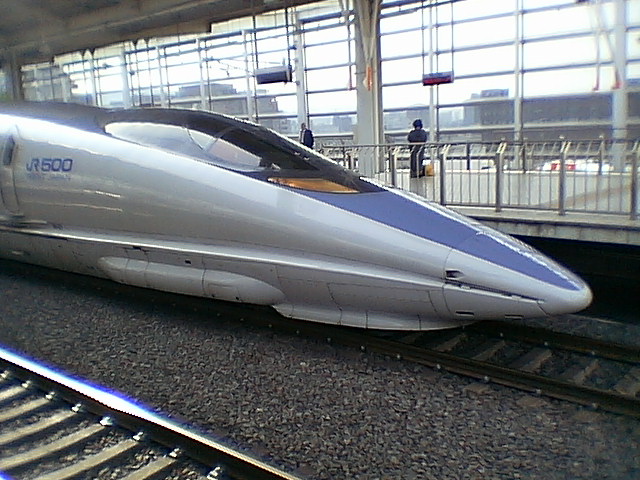
Scientists and engineers often take inspiration from nature to design and imagine new robots that can solve complex problems 1. Similarly, there are many examples of robots created by engineering scientists that are inspired by nature. This field of engineering is called biomimicry or bio-inspired engineering. A branch of field within this is bird-inspired engineering, or avian-inspired engineering. These bird-like robots can mimic some of the ways in which birds move and fly. We have a long way to go, as building these are incredibly hard.
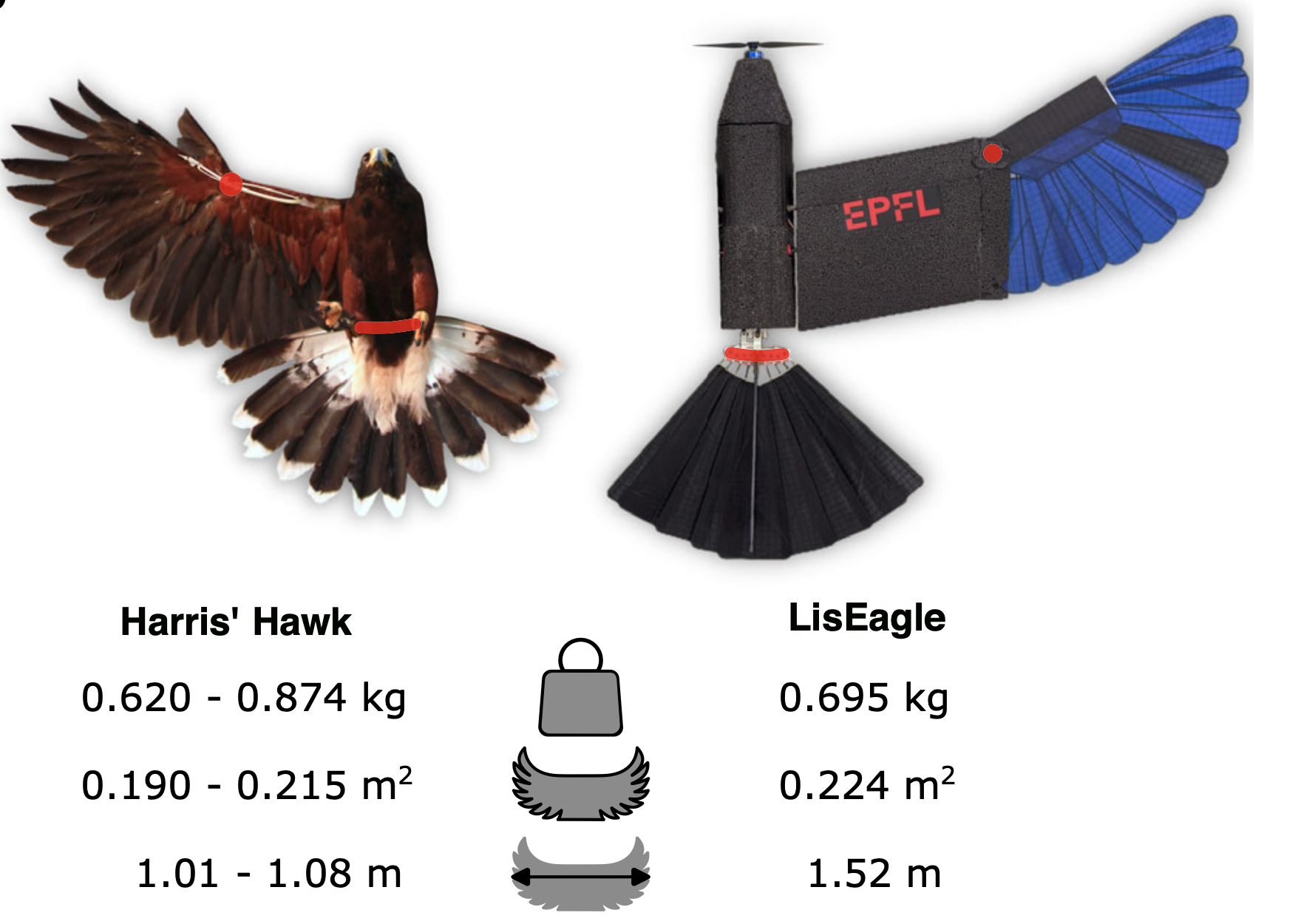
- Here is LisEagle, a robot inspired by a hawk. It can change the shape of its wings and tail to adjust to flying conditions, such as when the wind speed changes 2.

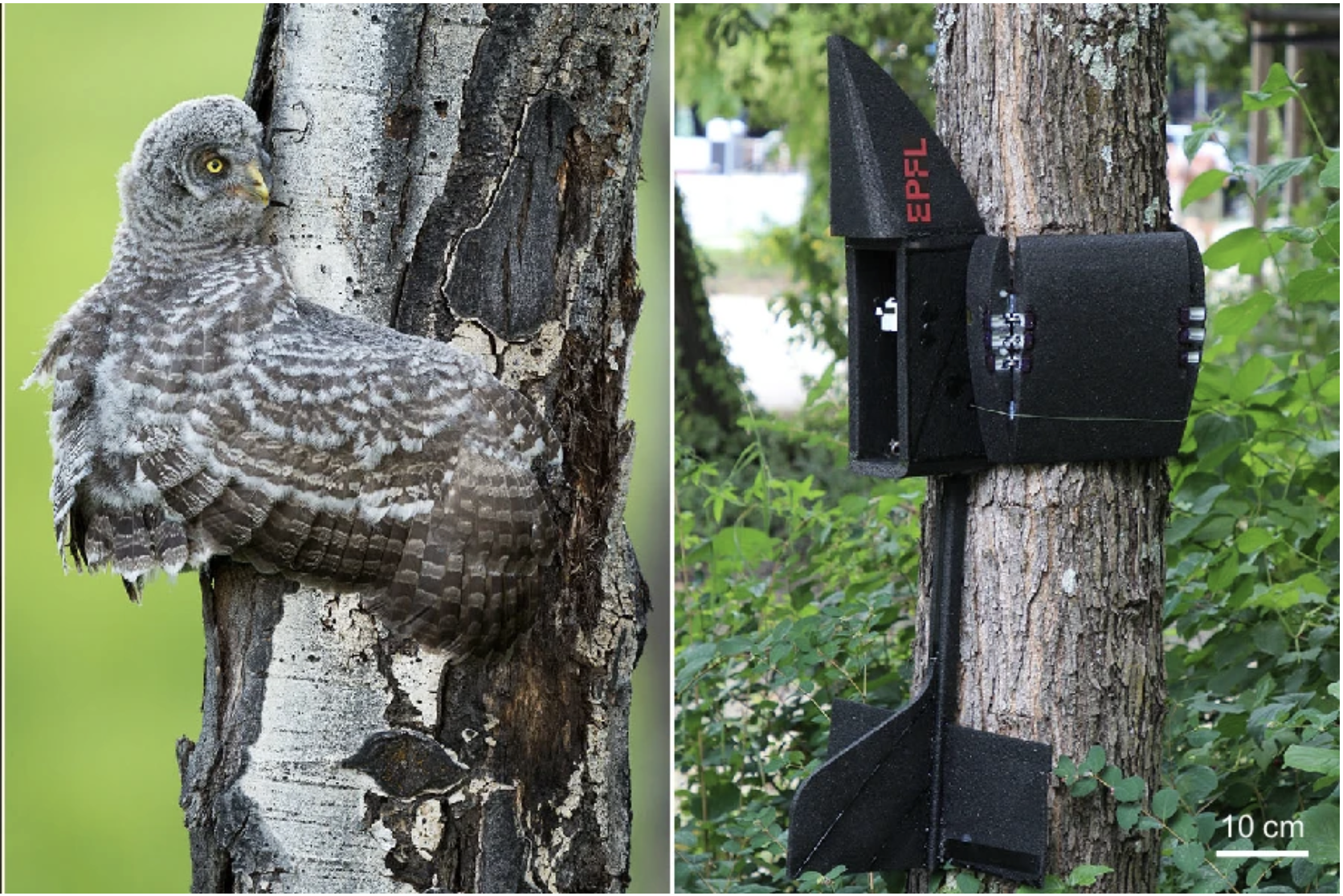
- Here is another bot, PercHug. It copies how birds can hold onto trees while landing. Next to it is an image of a young owl hugging a tree 3.
-
“Biomimetics.” Wikipedia. CC BY-SA 3.0 https://creativecommons.org/licenses/by-sa/3.0, via Wikimedia Commons. https://en.wikipedia.org/wiki/Biomimetics. ↩
-
Jeger, Simon Luis, Valentin Wüest, Charbel Toumieh, and Dario Floreano. “Adaptive Morphing of Wing and Tail for Stable, Resilient, and Energy-Efficient Flight of Avian-Inspired Drones.” npj Robotics 2, no. 1 (2024): 8. https://doi.org/10.1038/s44182-024-00015-y. ↩
-
Wüest, Valentin, Simon Jeger, Mir Feroskhan, Enrico Ajanic, Fabio Bergonti, and Dario Floreano. “Agile Perching Maneuvers in Birds and Morphing-Wing Drones.” Nature Communications 15, no. 1 (2024): 8330. https://doi.org/10.1038/s41467-024-52369-4. ↩