How do birds and planes fly?
Learning Byte Summary ▾
Introduction
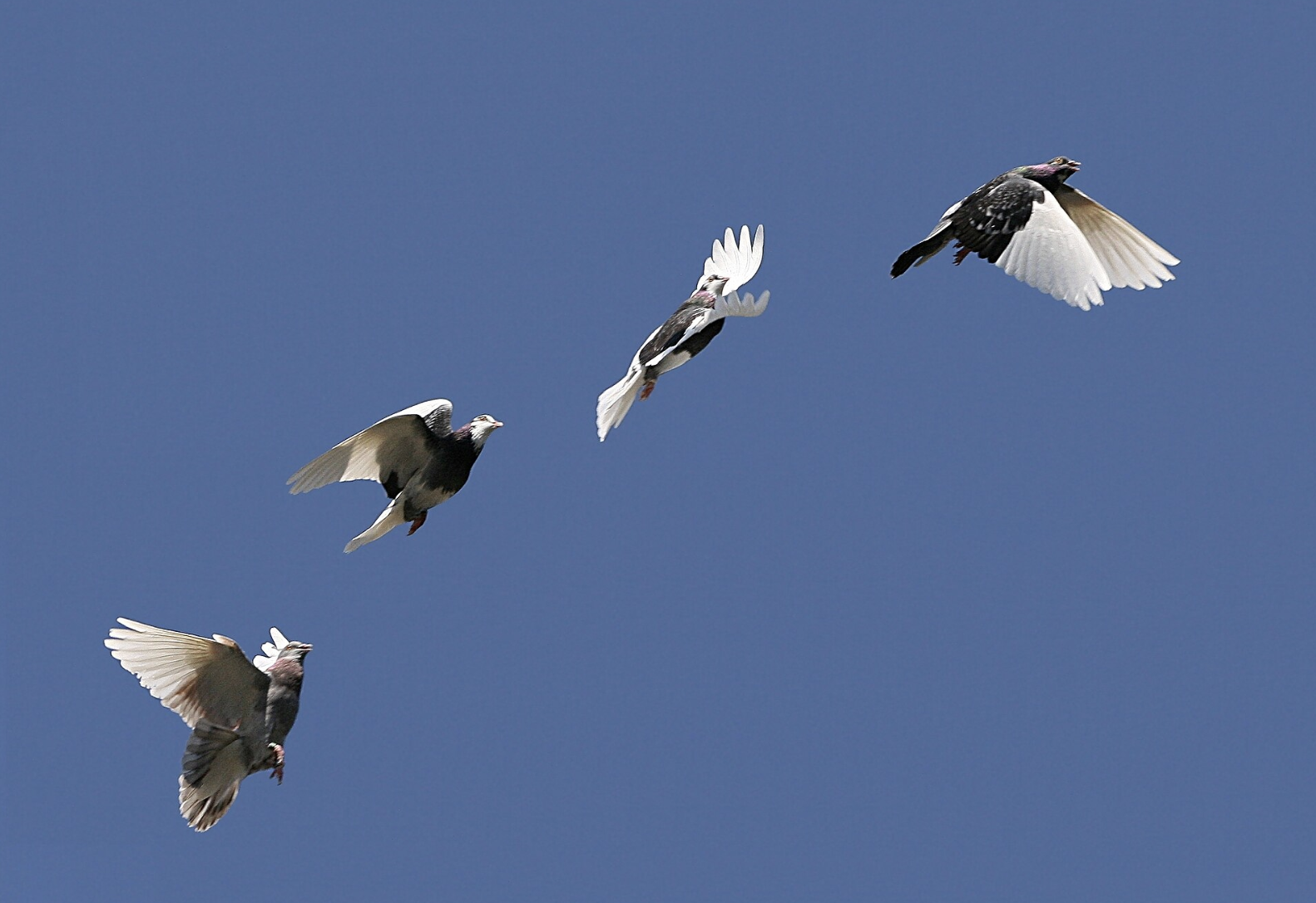
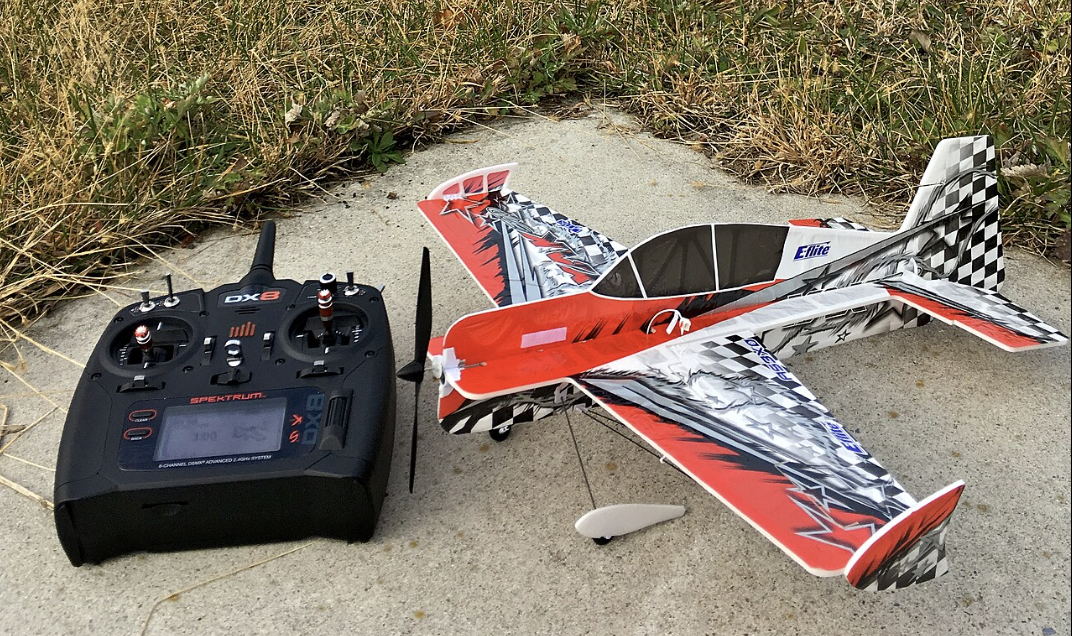
Do birds birds fly differently than planes? How are they able to move so swiftly in air?
How do birds fly?
Birds do not fly in just one way. Some birds flap quickly, some birds glide for long distances, and some switch back and forth between flapping and gliding depending on flight conditions to conserve energy. Researchers are trying to understand how birds control airflow to lift themselves off the ground. A bird’s wing is curved so that air is pushed downwards, which generates lift. Birds flap their wings. Wing flapping has two parts: the downstroke (wings pushing down) and the upstroke (wings going back up). Prof. David Lentink points out that on the downstroke, a bird generates enough lift to support twice its own body weight. On the upstroke, it produces almost no lift at all, which means birds are in free fall for a moment and then the cycle repeats. However, not all birds fly this way. Hummingbirds are the exception. Most birds only generate lift on the downstroke, but hummingbirds generate lift on both the down and up strokes, which partly explains their ability to hover in place for a long time. 1
Comparing bird and plane flight
- Whether we are looking at a bird or a plane, successful flight depends on a few core jobs being done well. The flyer must create enough lift to stay in the air, move forward through the air, stay balanced, and change direction when needed.
- That means both birds and planes have to deal with the same basic challenge: they must manage airflow around the body so they can rise, steer, and keep control.
- Birds do this with flexible wings, feathers, and body motion. A plane does it with fixed wings, engines or propellers, and control surfaces. So the physics problem is similar, but the solutions look different
- Birds solve flight with living materials that can bend and adjust moment by moment. Planes solve it with engineered structures that are more rigid and predictable.
What is similar?
Birds and planes both need to:
- produce lift so they can stay in the air
- move forward through the air
- stay balanced and stable
- change direction by rolling, yawing, and pitching
These similarities are important because they remind us that birds and planes are both working with the same air. Lift still has to support weight. Forward motion still has to overcome drag. Steering still depends on changing forces around the body.
What is different?
| Question | Birds | Planes |
|---|---|---|
| How do they move forward? | By flapping wings and using body motion | By engines or propellers |
| How do they change wing shape? | Wings bend, fold, twist, and spread feathers | Wings are mostly fixed |
| How do they control motion? | Wings and tail change continuously | Control surfaces such as ailerons, rudder, and elevator |
- Biggest different? Birds are flexible while planes are specialized. A bird can slightly change wing shape, spread feathers, or shift body posture in the middle of flight, making birds are more responsive and adaptable.
- Birds are not just flying objects. They are active control systems. They can change wing posture, feather arrangement, and body orientation almost instantly. A bird’s body is always sensing and adjusting.
- That is one reason bird flight is so interesting to engineers who want to design machines that can move more naturally through changing conditions.
- In a plane, these motions are tied to specific control surfaces. In birds, the same motions happen through coordinated movement of the wings, tail, and body.
- Engineers look to birds for ideas about adaptability, efficiency, and control.
- Birds and planes both must lift, move, and steer.
- Planes use fixed structures plus control surfaces.
- Birds use flexible wings, tail motion, and body coordination.
- Comparing both systems helps us design better flying machines.
- Engineering scientists study birds because birds are excellent examples of controlled, energy-efficient flight. If we understand how birds fly, we can design robotic birds that move in more flexible ways.
What’s role of flapping?
When you watch a flying bird, during flapping:
- the downstroke, when the wing pushes strongly through the air
- the upstroke, when the wing returns and may fold slightly
- the wingtip path, or the arc made by the wing
- whether the left and right wings stay symmetric
- how the tail helps with balance and steering
References
-
1.The Magic of Bird Flight with David LentinkDavid Lentink · YouTube · 2020
Media Credits
-
M1A swallow flying in slow motionZachzr · Wikimedia Commons · 2022 · CC BY-SA 4.0
-
M2Domestic pigeon flightDerivative work Tony Wills, rearragned by Toby Hudson · Wikimedia Commons · 2009 · CC BY-SA 3.0
-
M3Radio-controlled (RC) planeFred Hsu · Wikimedia Commons · 2017 · CC BY-SA 3.0
-
M5LisEagle and Harris' hawk comparisonValentin Wuest and others · Nature Communications · 2024 · CC BY 4.0
